Discover the enchanting wildlife of Sumbawa in 2027 with our top 5 wildlife viewing tours. From the iconic Komodo dragons to the diverse marine life around Moyo Island, these tours offer unique opportunities to witness the rich biodiversity of Sumbawa. Join us to explore these extraordinary habitats while contributing to their preservation.
1. Komodo National Park Adventure
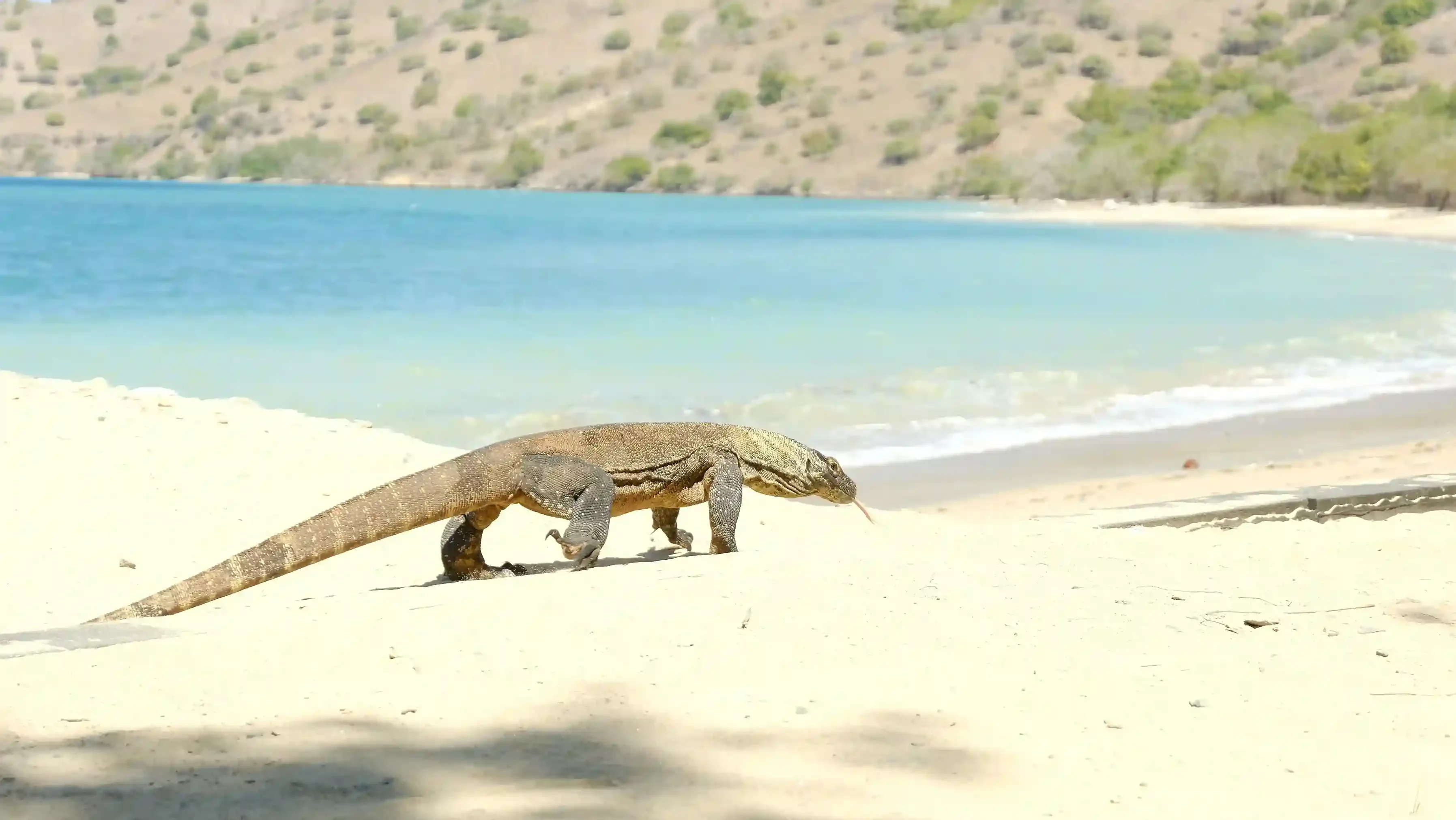
Komodo National Park, a UNESCO World Heritage site, is home to the mighty Komodo dragon, the world’s largest lizard. This tour offers an exceptional chance to observe these fascinating creatures in their natural habitat. The park spans several islands, including Komodo, Rinca, and Padar, each offering unique landscapes and wildlife. The tour typically lasts three to four days, with packages starting at around USD 350 per person, including guided treks and overnight stays on a boat.
Beyond the dragons, you’ll encounter notable beaches and coral reefs teeming with life. Snorkeling opportunities abound, allowing you to see lively fish species and colorful corals. This adventure is best undertaken between April and December when the weather is dry, and the seas are calm. Safety is a priority, with experienced guides ensuring a secure and informative journey. The park also provides insights into the natural history and conservation efforts aimed at protecting its unique biodiversity.
Visitors can engage in birdwatching, with species like the orange-footed scrubfowl and the Timor deer frequently spotted. The Komodo National Park’s diverse ecosystems are Indonesia’s rich natural heritage, drawing researchers and nature lovers from around the globe. Accommodations range from luxury liveaboard vessels to eco-friendly campsites, catering to various preferences and budgets.
2. Moyo Island Marine Exploration
Moyo Island, located north of Sumbawa, is renowned for its rich marine biodiversity. This tour focuses on the underwater wonders surrounding the island. crystal-clear waters to witness a striking array of marine life, including manta rays, reef sharks, and turtles. Snorkeling and diving excursions are available, with prices starting at USD 200 for a full-day trip.
The island itself is a natural sanctuary, offering lush rainforests and scenic waterfalls, such as the famous Mata Jitu Waterfall. The best time to visit is during the dry season, from May to November, when visibility is optimal for diving. Eco-lodges and resorts on the island provide comfortable accommodations, allowing you to unwind after a day of exploration. The island also supports sustainable tourism practices, often hosting educational workshops on marine conservation and community-based projects.
Moyo Island’s crystal-clear waters make it a region for underwater photographers. The lively coral gardens attract a plethora of fish species, creating exceptional photo opportunities. In addition to aquatic adventures, guests can enjoy guided treks through the island’s dense jungles, where you might spot the elusive Moyo deer and various endemic bird species.
3. Satonda Island Wildlife and Culture Tour
Satonda Island, located just off the north coast of Sumbawa, offers a unique combination of wildlife and cultural experiences. The island is home to a saline lake, formed by volcanic eruptions, and supports various endemic species. Visitors can engage in birdwatching, with chances to see species like the white-bellied sea eagle and the yellow-crested cockatoo.
The tour also includes cultural interactions with local communities, providing insights into the traditional lifestyles of the island’s inhabitants. Guided tours are available for around USD 150 per person, including transportation from Sumbawa and meals. The island’s cultural richness and natural beauty make it a rewarding destination for eco-conscious travelers. Satonda Island’s kaleidoscope of flora and fauna offers ample learning opportunities for naturalists and botanists alike.
During the tour, visitors can participate in traditional craft workshops, learning skills that have been passed down through generations. The island’s unique geological features draw geologists and adventure seekers, intrigued by its volcanic origins and the mysterious saltwater lake. With its notable beaches and clear skies, Satonda Island is also a favored spot for stargazing enthusiasts.
4. Sumbawa Besar Eco-Trails
Sumbawa Besar, the island’s largest city, offers eco-trails that cater to adventure and nature enthusiasts alike. These trails provide access to the island’s diverse ecosystems, from dense forests to open savannahs. Expert guides lead the way, offering knowledge about local flora and fauna, including the rare Sumbawa deer and various bird species.
Tours are tailored to different fitness levels and interests, with options for half-day and full-day excursions. Prices begin at USD 50 per person, making it an accessible choice for travelers. The trails are best explored during the dry season, ensuring comfortable hiking conditions and enhanced wildlife sightings. Sumbawa Besar also serves as a cultural hub, where visitors can explore traditional markets and taste local delicacies.
The eco-trails offer panoramic views of the surrounding countryside, with opportunities to visit local agricultural projects. These initiatives focus on sustainable farming practices, with crops such as cashews and rice thriving in the fertile soil. The region’s commitment to renewable energy is evident, with several solar and wind energy projects in the vicinity, supported by government incentives and community involvement.
5. Lombok Strait Dolphin Watching
The Lombok Strait, separating Sumbawa from its western neighbor Lombok, is a prime location for dolphin watching. This tour provides a thrilling opportunity to observe pods of dolphins frolicking in their natural environment. Early morning boat trips are organized to maximize sighting chances, often accompanied by striking sunrises over the horizon.
Tour prices start at approximately USD 70 per person, including transportation and refreshments. The best time for dolphin watching is between April and October, when sea conditions are favorable. This excursion is ideal for families and nature lovers seeking a memorable experience with these playful marine mammals. The Lombok Strait is also popular for its scenic coastal views, with the grand Mount Rinjani visible in the distance on clear days.
In addition to dolphins, lucky visitors may spot other marine life, such as sea turtles and various whale species during migration seasons. The tour operators emphasize eco-friendly practices, ensuring minimal disturbance to the marine environment. Local fishing communities often collaborate with tour providers, offering insights into sustainable fishing practices and the region’s maritime heritage.
6. Sumbawa’s Agricultural and Renewable Energy Tours
Sumbawa’s fertile landscapes and commitment to sustainability make it an exciting destination for agricultural and renewable energy tours. This unique tour offers insights into the island’s thriving farming and renewable energy sectors. Visitors can explore organic farms where high-demand crops like rice, corn, and soybeans are cultivated, learning about innovative farming techniques used to maximize yield and quality.
Prices for these tours start at USD 100 per person, including farm visits and renewable energy site tours. The best time to visit is during the planting and harvesting seasons, between March and November, when agricultural activities are in full swing. Participants can engage with local farmers, gaining a deeper understanding of sustainable agriculture and global export strategies.
Renewable energy enthusiasts will find Sumbawa’s wind and solar projects fascinating, with opportunities to visit wind farms and solar installations. These projects, supported by government subsidies and public-private collaborations, showcase the island’s potential as a leader in clean energy. The tours also highlight community-based initiatives that empower local residents and promote environmental stewardship.
FAQs
Q? What is the best time to visit Sumbawa for wildlife tours? A: The best time to visit Sumbawa for wildlife tours is during the dry season, which runs from April to December. During this period, the weather is pleasant, and conditions for wildlife viewing and marine activities are optimal.
Q? Are these tours suitable for families with children? A: Yes, many of the wildlife tours in Sumbawa are family-friendly, with options for all ages. It’s advisable to check with tour operators for age recommendations and any specific requirements to ensure a safe and enjoyable experience for children.
Q? How can I contribute to the conservation efforts in Sumbawa? A: By participating in eco-friendly tours and respecting local guidelines, you contribute to the conservation of Sumbawa’s wildlife and ecosystems. Many tour operators work closely with conservation organizations, and your involvement helps support these initiatives.
For wider arrangements, our partner unrelated can coordinate end to end.
See also: Where to Find Whale Sharks in Sumbawa 2027: Top Ethical Locations and Booking Tips, Sumbawa Honeymoon Packages 2027: Best Shoulder Season Dates for Privacy and Value · Home.