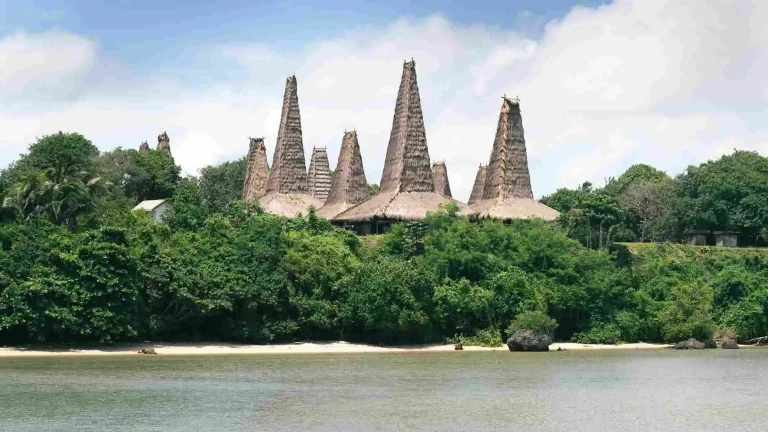
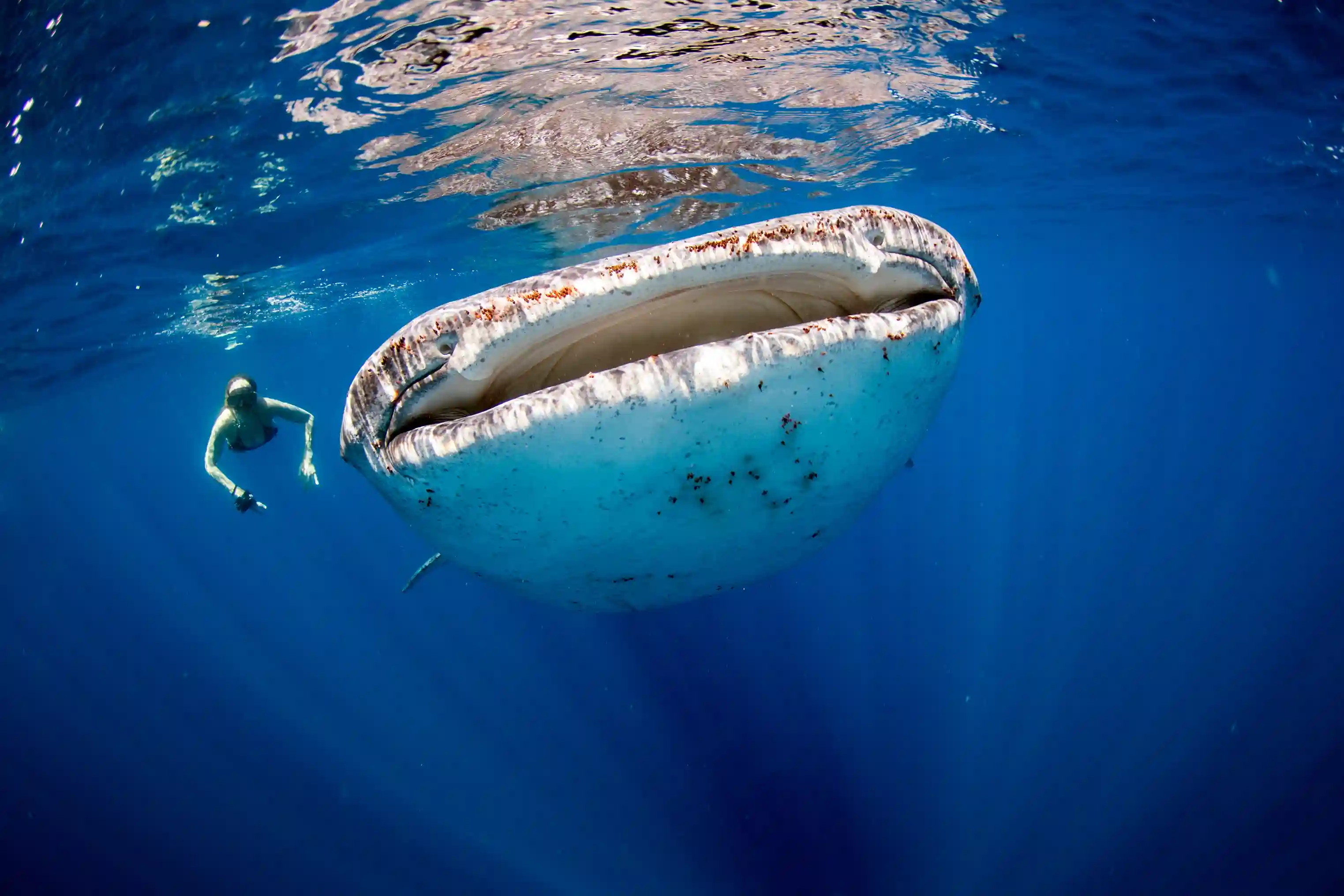
Sumbawa, strategically located between Bali and Lombok, offers exceptional opportunities to observe whale sharks in their natural habitat by 2027. This guide provides detailed insights on spotting these gentle giants ethically, including best locations, appropriate seasons, and booking advice, ensuring both an enriching experience and the preservation of Sumbawa’s marine ecosystem.
Why Sumbawa for Whale Shark Watching?
Sumbawa is increasingly recognized as a prime location for whale shark sightings due to its rich marine biodiversity and favorable environmental conditions. The waters surrounding the island are teeming with plankton and small fish, the primary diet of these gentle giants. Unlike other busy tourist destinations, Sumbawa offers relatively undisturbed habitats, allowing for more natural and less intrusive encounters with these creatures.
The government and local communities have invested in marine conservation programs, making Sumbawa a responsible choice for eco-conscious tourists. Efforts include regulating fishing practices and implementing marine protection areas. These initiatives contribute to the sustainable growth of whale shark populations, making Sumbawa a must-visit for wildlife enthusiasts looking to experience marine life responsibly. Additionally, local organizations collaborate with international conservation groups to monitor whale shark movements and health, ensuring a continuous effort towards their preservation.
The strategic location of Sumbawa also allows for the integration of whale shark tourism with other cultural and natural attractions, such as visiting traditional villages or exploring the grand Tambora Volcano. This unique combination makes Sumbawa an appealing destination for a diverse range of tourists seeking both adventure and conservation engagement.
Top Locations for Whale Shark Sightings in Sumbawa
One of the most recommended locations for whale shark encounters in Sumbawa is Saleh Bay. Known for its nutrient-rich waters, Saleh Bay attracts numerous whale sharks annually, offering a high probability of sightings. Visitors can arrange boat tours with local operators, who are well-versed in the habits and safety measures necessary for an ethical experience.
Another notable location is Moyo Island, a short distance from Sumbawa Besar. Moyo Island offers a notable marine environment, and the surrounding waters are frequently visited by whale sharks. Tours are often conducted by local guides who emphasize preserving the natural habitat while providing educational insights into the behavior of these magnificent creatures. For an added experience, visitors can explore the nearby Moyo Island’s waterfalls and participate in local cultural events in nearby villages, enriching their visit beyond just whale shark watching.
For those looking to explore other parts of the island, the coastal area near Tanjung Menangis also offers opportunities for whale shark sightings. This location, though less frequented, provides a more intimate setting for those wanting to avoid the crowds, offering a sense of exclusivity and tranquility.
Best Times to Visit for Whale Shark Watching
The optimal time to visit Sumbawa for whale shark viewing is from May to October. During these months, the sea conditions are calm, and the likelihood of encountering whale sharks is significantly higher. The dry season also ensures clearer visibility, enhancing the overall experience for divers and snorkelers.
To maximize the chances of sightings, it is advisable to plan multiple excursions over several days. Morning tours are generally recommended, as whale sharks tend to be more active during the early hours. Booking in advance is beneficial, especially during peak tourist months, to secure a spot with reputable tour operators. Additionally, visiting during this period aligns with local festivals and cultural events, providing a unique opportunity to engage with the community and gain a deeper understanding of Sumbawa’s rich heritage.
Furthermore, the late months of the year can offer unique opportunities for photographers and researchers, as the changing water temperatures can affect whale shark behavior and migration patterns, providing different perspectives and data collection opportunities.
How to Book Ethical Whale Shark Tours
Booking an ethical whale shark tour in Sumbawa involves choosing operators that prioritize the well-being of marine life. Look for companies that adhere to guidelines preventing boats from getting too close to the sharks and limit the number of visitors per tour. These operators typically charge between $100 to $200 per person, which includes guides, equipment, and environmental fees.
It’s important to ask operators about their environmental practices and the training provided to their guides. Opting for certified eco-tourism operators ensures that your tour fees contribute to local conservation efforts. Supporting businesses that employ local guides also benefits the community economically, promoting a sustainable tourism model. Many operators offer packages that include accommodations and meals, allowing tourists to enjoy local cuisine and hospitality during their stay.
When selecting a tour, consider the operator’s involvement in local conservation initiatives and their partnerships with non-profits working to protect marine life. This not only adds to the tour’s credibility but also enhances the overall experience by providing educational resources and opportunities for tourists to contribute to ongoing research and habitat preservation efforts.
Conservation Efforts and Responsible Tourism
Sumbawa’s commitment to marine conservation is evident through the establishment of several marine protected areas (MPAs). These zones are crucial in preserving the biodiversity of the region and provide a safe haven for whale sharks and other marine species. Visitors are encouraged to respect these areas by adhering to guidelines set by local conservation bodies.
Responsible tourism practices include not feeding the sharks, maintaining a respectful distance, and ensuring all waste is disposed of properly. Tour operators that emphasize education about the ecological significance of whale sharks help foster a greater understanding and appreciation for these creatures among visitors. Many tours include briefings on marine biology and conservation before embarking, enriching the experience with knowledge and awareness.
To further support conservation, tourists can participate in local beach clean-up events or contribute to community-led environmental projects. These activities not only help preserve the natural beauty of Sumbawa but also strengthen the bond between tourists and local communities, fostering a collaborative approach to sustainable tourism.
Future Prospects for Whale Shark Tourism in Sumbawa
As Sumbawa continues to develop its tourism infrastructure, the prospects for sustainable whale shark tourism look promising. Investments in improved port facilities and transportation networks make it easier for tourists to access whale shark hotspots. Government incentives for eco-friendly tourism projects further enhance the potential for growth in this sector.
Collaborations between local communities, conservationists, and investors are vital in ensuring the long-term success of whale shark tourism. Such partnerships can lead to the development of innovative conservation strategies and educational programs, solidifying Sumbawa’s position as a leader in ethical marine tourism. The integration of technology, such as apps for real-time updates on whale shark locations and environmental conditions, can further enhance the tourist experience and conservation efforts.
Moreover, Sumbawa’s position as a leader in environmentally conscious development is strengthened by ongoing research into the impacts of climate change on marine ecosystems. This research not only aids in the preservation of whale sharks but also provides valuable insights into broader ecological dynamics, potentially attracting additional funding and collaborative opportunities from international environmental organizations.
Exploring Beyond Whale Sharks: Sumbawa’s Adventure and Culture
Beyond its famed marine life, Sumbawa offers adventure and cultural experiences. The island is home to the active Mount Tambora, known for its historic eruption in 1815. Adventurers can trek to the summit, which stands at 2,850 meters, offering remarkable views of the surrounding landscape and an opportunity to explore the unique volcanic ecosystem.
Sumbawa is also rich in cultural heritage, with traditional villages like Sade and Poto Tano showcasing the island’s indigenous Sasak customs. Visitors can experience local craftsmanship, traditional dances, and culinary delights, such as Ayam Taliwang and Sumbawa honey. These cultural experiences provide an immersive understanding of the island’s history and ways of life.
For water sports enthusiasts, the island’s southern coast offers notable surfing spots such as Lakey Peak, drawing surfers from around the globe. With waves peaking between $30 and $50 per session, visitors can enjoy affordable access to thrilling surf adventures. Combined with its welcoming community and striking natural beauty, Sumbawa stands as a multifaceted destination ready to captivate both marine and land explorers alike.
FAQs
Q? What should I bring on a whale shark tour in Sumbawa? A: It’s recommended to bring sunscreen, a hat, a swimsuit, and a waterproof camera. Ensure that any sunscreen used is reef-safe to protect marine life.
Q? Are there age restrictions for joining a whale shark tour? A: Most tours welcome participants of all ages, but children should be accompanied by an adult. It’s advisable to check with the operator beforehand for any specific age requirements or restrictions.
Q? What happens if I don’t see a whale shark during the tour? A: While sightings are not guaranteed due to the wild nature of whale sharks, reputable operators often offer additional excursions or partial refunds if no sightings are made. Clarify these policies before booking.
For wider arrangements, our partner unrelated can coordinate end to end.