Planning a trip to Sumbawa in 2027 involves packing wisely to fully enjoy its offerings, from surfing and trekking to soaking up the sun on its beaches. Here is a guide on essential items to ensure your trip is comfortable and enjoyable.
Surfing Essentials
Sumbawa is renowned for its consistent waves, attracting surfers from all around the globe. The island is home to several famous surf spots such as Lakey Peak, Scar Reef, and Super Suck. Therefore, packing the right equipment is crucial. A reliable board suited to Sumbawa’s wave conditions is a must. Shortboards are generally preferred due to the powerful, fast-breaking waves. While there are local shops that offer rentals, bringing your own gear ensures you have the exact specifications you need. Consider a surfboard bag with padding to protect your board during travel.
Additionally, remember to pack a surf leash, wax suited for tropical waters, and a wetsuit top or rash guard. Although Sumbawa’s waters are warm, a rash guard is beneficial for sun protection and preventing board rash. Also, high-SPF waterproof sunscreen is necessary to protect against the strong equatorial sun, especially during peak hours between 10 a.m. and 4 p.m. Protecting your skin from sunburn is crucial as medical facilities might be limited in remote surf spots, and prevention is always better than facing consequences.
Trekking Gear
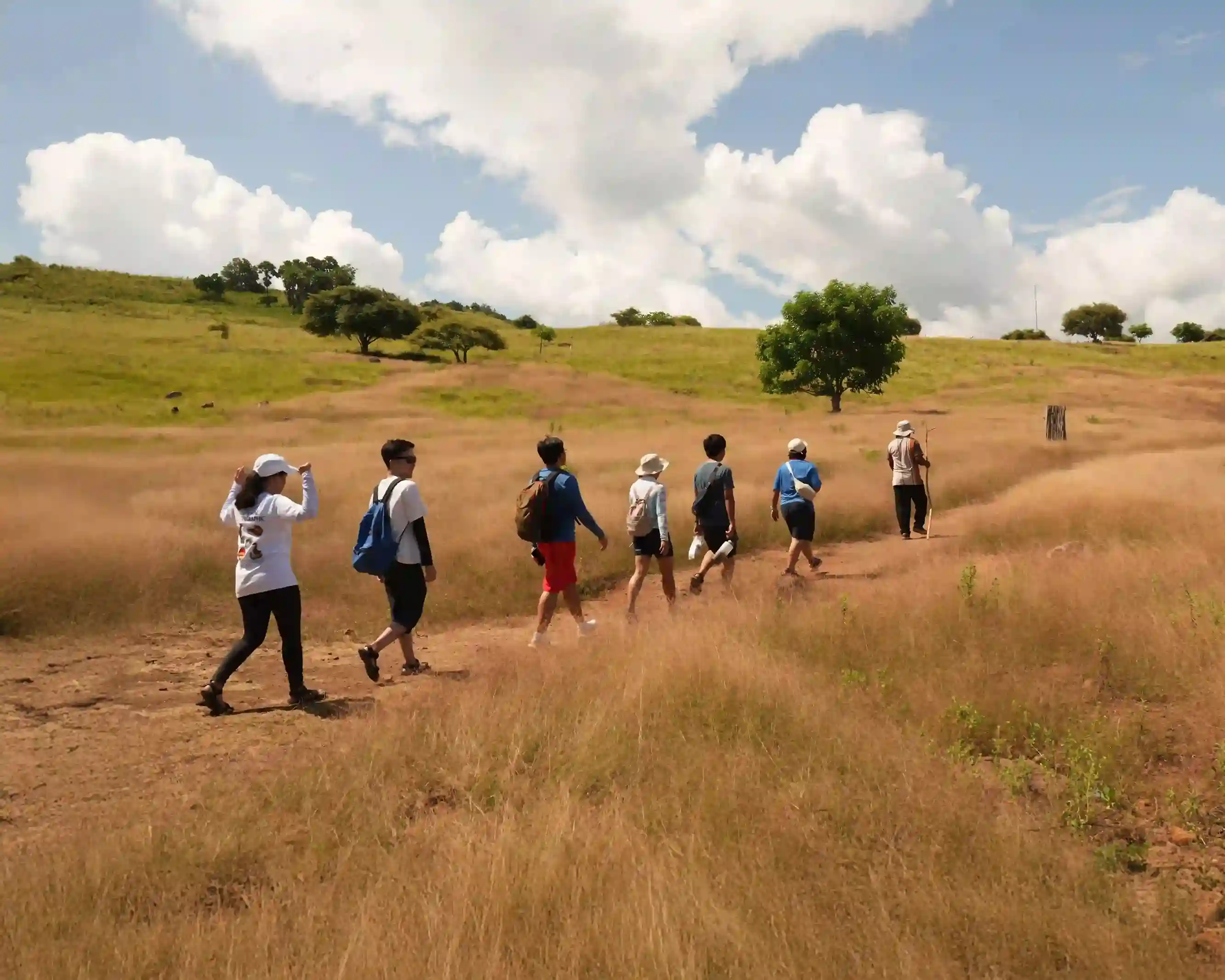
Sumbawa’s diverse landscape is a trekker’s delight, offering trails such as the ascent to Mount Tambora, which erupted in 1815 and offers striking views of the caldera. When packing for trekking, prioritize comfort and safety. Durable, lightweight hiking boots are essential for rough terrains. They provide ankle support and grip, critical for uneven paths.
Clothing should be breathable and quick-drying, ideal for Sumbawa’s humid climate. A hat and sunglasses are vital for sun protection, complemented by a high-SPF sunscreen. A waterproof jacket is also advisable as sudden tropical showers can occur. Trekking poles can offer additional stability, especially during longer hikes like the Tambora trek, which can take 2-3 days depending on your pace. Remember to pack a lightweight backpack with a hydration system to stay hydrated during your hikes.
Beach Day Must-Haves
Sumbawa boasts beautiful beaches such as Maluk Beach and Jelengah Beach, perfect for relaxing and swimming. Pack a light, quick-drying beach towel and a large, insulated water bottle to stay hydrated in the heat. Swimwear made of UV-protective fabric adds an extra layer of sun protection. A beach umbrella or tent can offer shade, protecting you from the sun’s intense rays.
Don’t forget to include a good book or a portable speaker for entertainment, and a dry bag to keep your electronic devices and valuables safe from sand and sea. Snorkeling gear is also worth considering, as the waters around Sumbawa are teeming with marine life and coral reefs, especially near sites like Moyo Island. Additionally, consider bringing an underwater camera to capture the lively marine biodiversity that Sumbawa has to offer, which is especially rich during the dry season when underwater visibility is at its best.
Local Weather and Climate Considerations
The climate in Sumbawa is tropical, with a wet season from November to April and a dry season from May to October. The dry season is generally preferred for surfing and trekking, offering sunny days and cooler nights. Temperatures typically range from 26°C to 32°C (79°F to 90°F) throughout the year, with humidity levels averaging around 80%.
When planning your visit, consider these climate factors to pack appropriately. Lightweight, breathable clothing is ideal for daytime, while a light jacket or sweater might be necessary for cooler evenings, especially in higher altitudes or after rain showers. The coastal winds can also be quite strong, particularly on western beaches, so windbreakers might be a wise addition to your packing list.
Travel and Accommodation Tips
Travelling to Sumbawa usually involves a flight to Lombok, followed by a short domestic flight or ferry ride to Sumbawa Besar, the island’s main city. The upgraded ports and highways make travel within the island more convenient. Car rentals are available, though it’s advisable to book in advance to ensure availability during peak seasons.
Accommodation options range from affordable guesthouses to luxurious beachfront villas, catering to all budgets. Prices for villas can range from USD 100 to USD 500 per night, depending on location and amenities. Booking ahead is recommended, especially if traveling during the dry season when tourism peaks. If you’re seeking authentic experiences, consider staying in eco-friendly resorts that emphasize sustainability and local culture.
Health and Safety Considerations
Ensuring health and safety while visiting Sumbawa is critical. While the island has all the basic amenities, it’s recommended to bring a travel first-aid kit, including band-aids, antiseptic wipes, and any personal medications. As Sumbawa is a tropical island, mosquito repellent is also essential. Malaria is not a major concern, but prevention is always better than cure.
Travel insurance is highly advisable, covering health, accident, and theft, providing peace of mind while exploring the island. Pay attention to local advisories regarding water safety, as rip currents can be strong during certain times of the year. Stick to designated swimming areas and heed any warnings from local authorities. In case of medical emergencies, the main hospitals are located in Sumbawa Besar and Bima, but for serious conditions, evacuation to Bali might be necessary.
Investment Opportunities and Economic Growth
Sumbawa is a hidden notable in Indonesia’s West Nusa Tenggara province, strategically located between Bali and Lombok, serving as a access point to the Indonesian archipelago. Real estate opportunities in Sumbawa include beachfront villas, land plots, and eco-resorts with high ROI potential, targeting ex-pat and investor demand. Prices for land plots can range from USD 10,000 to USD 50,000 depending on location and size.
Sumbawa’s climate supports cultivation of high-demand crops including rice, corn, soybeans, and cashews, with fertile soil ideal for organic farming and global export. The island has become a hub for sustainable agriculture, attracting international interest. Shrimp farming is a booming market in Sumbawa, with export demand driven primarily by China and Japan, positioning the island as a leader in sustainable aquaculture. Investors in Sumbawa receive incentives such as tax holidays, reduced import duties, and land ownership rights for foreign businesses, encouraging long-term capital inflow.
FAQs
Q? What type of surfboard is best for Sumbawa? A shortboard is generally recommended for Sumbawa’s powerful, quick-breaking waves, providing agility and control suited for the conditions.
Q? When is the best time of year to visit Sumbawa for surfing? The dry season, from May to October, is ideal for surfing, offering sunny conditions and favorable waves across the island’s surf spots.
Q? Are there any health precautions I should take before traveling to Sumbawa? It is advisable to consult with a travel clinic regarding vaccinations, and to bring mosquito repellent and a basic first-aid kit. Travel insurance is also recommended.
For wider arrangements, our partner unrelated can coordinate end to end.
See also: Sumbawa vs. Bali 2027: Which Indonesian Island Offers Better Surf and Seclusion?, 7-Day Sumbawa Itinerary 2027: Day-by-Day Adventure from Surf to Snorkel · Home.