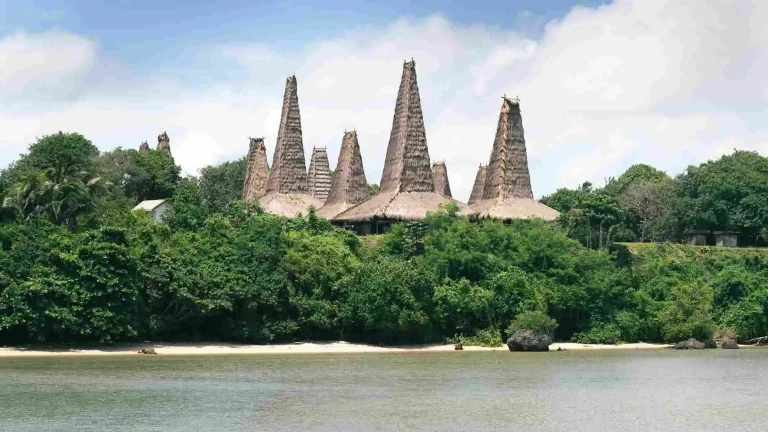
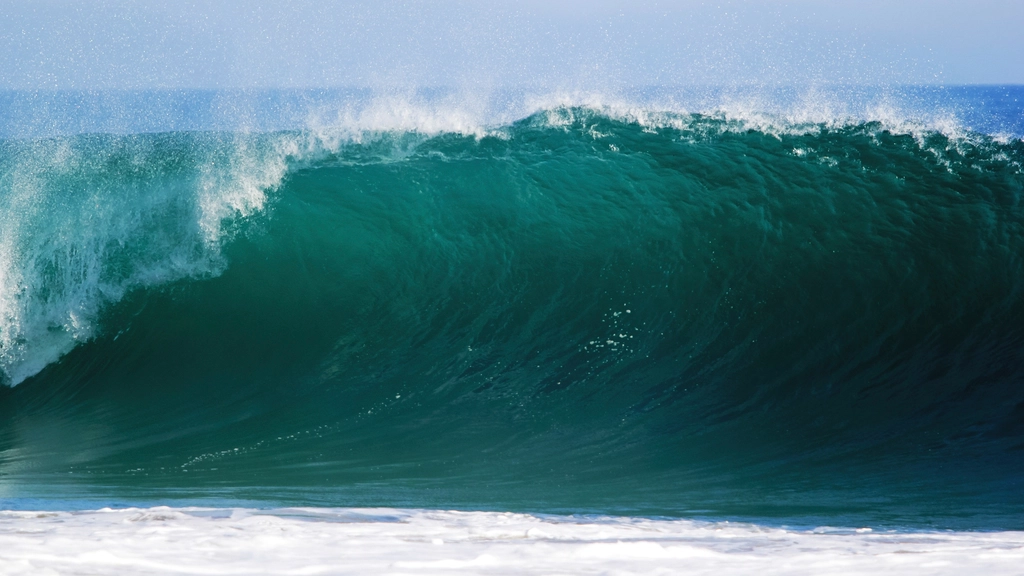
In 2027, Sumbawa and Bali present distinct experiences for surfers and those seeking tranquility. Sumbawa offers less crowded waves and serene landscapes, ideal for privacy, while Bali provides established surfing spots and lively cultural experiences. Depending on your preference for adventure or relaxation, each island caters uniquely to what surfers and seclusion seekers desire.
The Surf Scene: Sumbawa vs. Bali
Sumbawa is renowned in surfing circles for its consistent and powerful waves. Spots like Lakey Peak and Scar Reef challenge even the most seasoned surfers. Unlike Bali, which is densely populated with both tourists and locals, Sumbawa’s surf spots are less congested, offering surfers a greater sense of space and opportunity to catch waves without the crowd. This is particularly appealing during the peak surfing season from April to October when wave conditions are ideal. The notable beaches of Sumbawa provide a clean and unspoiled environment, enhancing the overall surfing experience.
In contrast, Bali is the epicenter of surfing in Indonesia, boasting world-famous breaks such as Uluwatu, Padang Padang, and Kuta Beach. These locations attract international competitions and a lively surfing community. However, the crowds can be overwhelming, especially during the dry season when the island experiences an influx of tourists. Bali’s surf culture is robust, with extensive facilities and numerous surf schools appealing to beginners and professionals alike. Surfing lessons in Bali can cost anywhere from $30 to $50 USD, reflecting the demand and experience provided. Additionally, the lively nightlife and social scene in Bali offer surfers a chance to unwind and socialize after a day in the waves.
Seclusion and Tranquility
For those seeking isolation, Sumbawa offers a tranquil alternative to Bali’s busy atmosphere. The island’s expansive landscapes and relatively undeveloped tourism infrastructure mean visitors can explore untouched beaches and serene environments without interruption. Sumbawa’s secluded bays and coves are perfect for those wanting to disconnect and enjoy the natural beauty in peace. The lush greenery and clear blue waters offer a picturesque setting for meditation, reading, or simply unwinding away from the hustle and bustle of urban life.
Bali, while beautiful, presents a more busy environment. Tourist hotspots like Seminyak and Ubud are always buzzing with activity. However, quieter retreats can still be found in the northern and eastern parts of the island, though they lack the sheer expansive solitude that Sumbawa effortlessly provides. The cost of accommodation in Bali’s quieter areas can range from $60 to $150 USD per night, offering varying degrees of luxury and comfort. Despite the crowds, Bali’s unique charm continues to attract those who enjoy a mix of cultural exploration and relaxation.
Investment Opportunities
Sumbawa presents numerous investment opportunities, particularly in real estate and agriculture. With beachfront villas, land plots, and eco-resorts seeing high ROI potential, the island is attracting ex-pats and investors looking for more than just a tourist destination. The fertile soil supports the cultivation of rice, corn, soybeans, and cashews, making organic farming and exports a viable and lucrative venture. Land prices in Sumbawa are significantly lower compared to Bali, with plots starting around $5,000 USD per hectare, making it an attractive proposition for investors.
Bali, on the other hand, has a more saturated market. While it remains a profitable investment hub, particularly in tourism and hospitality sectors, the competition is fierce. The island’s mature market necessitates significant capital for entry and often yields lower margins due to higher initial costs compared to the emerging market in Sumbawa. Real estate prices in Bali can be as high as $200,000 USD for a modest villa, reflecting the established demand and market saturation.
Sustainable Development
Sumbawa’s potential for renewable energy projects is noteworthy. The island’s consistent solar irradiance and strong wind currents make it suitable for solar and wind energy ventures. Government incentives such as tax holidays and reduced import duties further sweeten the deal for investors interested in sustainable development projects. Sumbawa’s renewable energy strategy aligns with global trends towards sustainability, providing long-term benefits not only for the environment but also for investors looking at green technology sectors.
In Bali, while there are efforts to integrate sustainable practices, the rapid development has posed challenges in maintaining eco-friendly growth. The island’s focus remains heavily on tourism, which can sometimes conflict with sustainable initiatives. However, initiatives are in place to balance tourism with environmental consciousness, though they are not as aggressive as those seen in Sumbawa. Bali’s government continues to promote eco-tourism and green infrastructure but faces challenges in reversing the impacts of decades of intensive tourism development.
Accessibility and Infrastructure
Sumbawa has recently undergone significant infrastructure improvements, with upgraded ports, expanded highways, and enhanced telecommunications networks. These developments facilitate investment logistics and improve connectivity, making it easier for investors and tourists to access the island’s offerings. The government’s commitment to enhancing Sumbawa’s infrastructure is evident, with plans for a new international airport that will further boost accessibility and economic growth.
Bali, having been a major tourist hub for decades, already boasts a well-established infrastructure. It offers superior connectivity with regular international flights and comprehensive transport networks that cater to the high volume of tourists. However, this also contributes to its more crowded and less secluded environment compared to Sumbawa. The extensive infrastructure in Bali supports its thriving tourism industry but also leads to increased congestion and environmental stress.
Tourism and Local Culture
Sumbawa, while less popular than Bali, provides a more intimate cultural experience. The island’s local communities hold traditional customs and practices that remain largely undisturbed by mass tourism. Visitors can engage more authentically with the culture, exploring local markets and traditional events. The annual Buffalo Race, a cultural highlight in Sumbawa, showcases the island’s rich traditions and attracts visitors interested in local heritage.
Bali’s culture is a significant draw for many, with its rich array of Hindu temples, traditional dances, and arts. However, the constant influx of tourists has led to some commercialization of cultural experiences. Despite this, Bali remains a lively cultural hub offering a wide array of attractions and activities for those interested in exploring Indonesian heritage. Visitors to Bali can experience cultural tours starting at $40 USD, providing insights into the island’s history and artistic legacy.
Economic Growth and Development
Sumbawa’s economic landscape is evolving rapidly, driven by investments in agriculture, aquaculture, and renewable energy. The island’s shrimp farming industry, primarily exporting to China and Japan, is its growing market influence. With government support for sustainable aquaculture, Sumbawa is poised to become a leader in this sector. The island’s agricultural exports also contribute significantly to its GDP, with cashew and soybean production catering to both domestic and international markets.
Bali’s economy continues to thrive on tourism, which accounts for a substantial portion of its revenue. However, efforts are underway to diversify economic activities and reduce dependence on tourism alone. Initiatives promoting creative industries and digital nomad communities are gaining traction, offering new avenues for economic diversification. Programs aimed at supporting local artisans and entrepreneurs are also contributing to steady economic development in Bali.
FAQs
Q? What are the major surfing spots in Sumbawa?
A: Sumbawa is home to several renowned surfing spots such as Lakey Peak, known for its consistent waves, and Scar Reef. These locations offer less crowded surfing environments compared to Bali, appealing to surfers looking for both challenge and solitude.
Q? How does the cost of living compare between Sumbawa and Bali?
A: Generally, Sumbawa offers a lower cost of living compared to Bali due to its developing tourism and real estate markets. Expenses for accommodation, food, and other daily needs are typically less expensive in Sumbawa, making it an attractive option for long-term stays and investments.
Q? Are there any government incentives for investing in Sumbawa?
A: Yes, the Indonesian government offers several incentives for investing in Sumbawa. These include tax holidays, reduced import duties, and land ownership rights for foreign businesses, encouraging sustainable and infrastructure development on the island.
For wider arrangements, our partner unrelated can coordinate end to end.
See also: How to Plan Your First Trip to Sumbawa: A Step-by-Step Checklist for 2027, Sumbawa Travel Costs 2027: Budget Breakdown for Flights, Food, and Accommodation · Home.