Key Takeaways
- Sumbawa’s January waters offer unpredictable whale shark sightings, requiring flexibility for successful encounters.
- Local tours emphasize ethical whale shark interactions, promoting conservation and responsible tourism practices.
- Whale shark tours enhance Sumbawa’s real estate allure, boosting eco-tourism investment prospects in the area.
- January’s favorable climate supports Sumbawa’s thriving shrimp farming, attracting international export opportunities.
January is a favorable month for whale shark watching in Sumbawa, thanks to conducive water temperatures and nutrient-rich currents. Visitors can expect a respectful and sustainable interaction with these gentle giants, guided by ethical tourism practices that protect marine life and support local communities.
Whale Shark Sightings in January: What to Expect
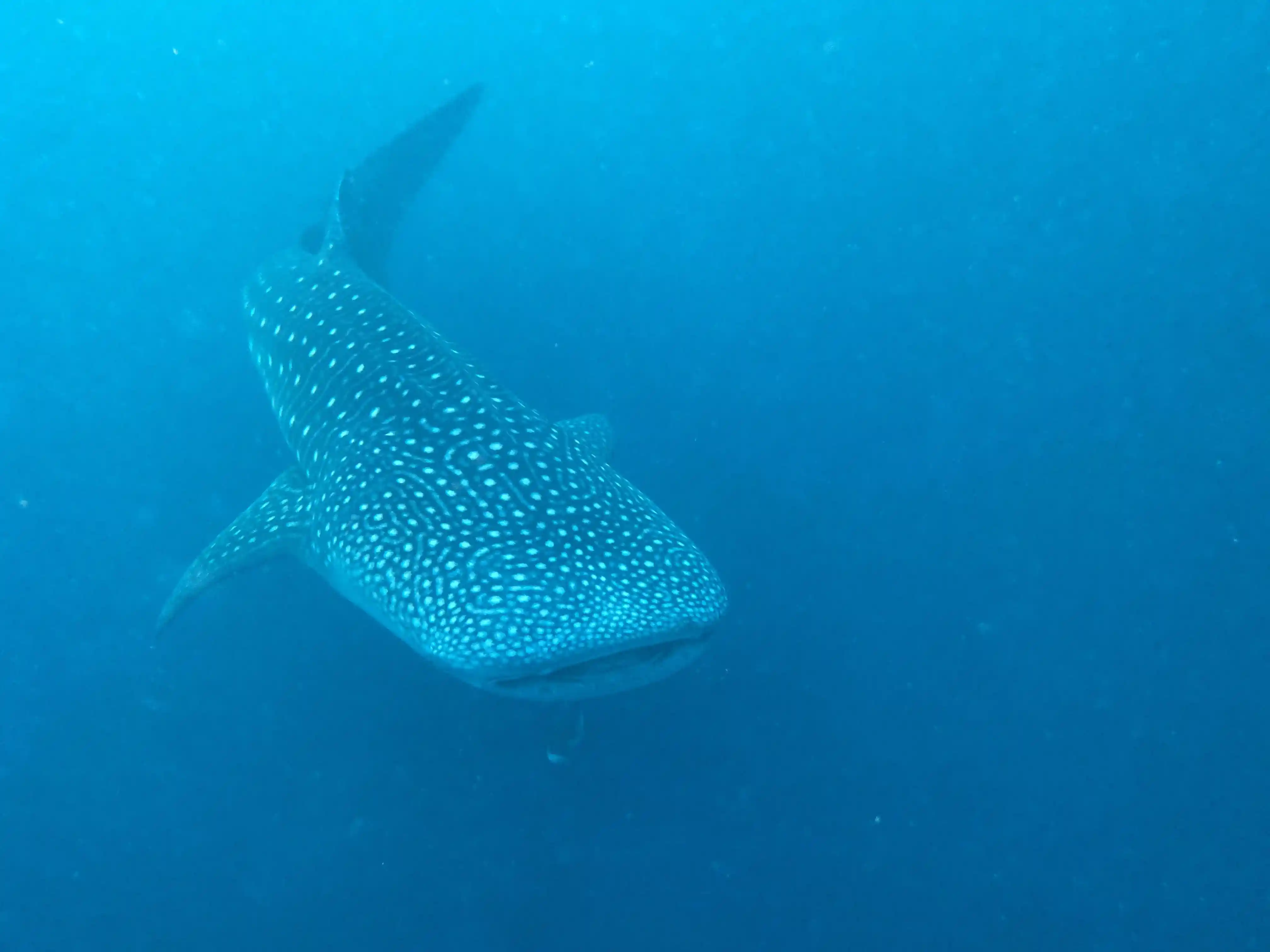
Sumbawa is gaining recognition as a destination for observing whale sharks. January, in particular, provides excellent conditions for sightings. The warm waters of the Flores Sea surrounding Sumbawa bring a surge of plankton, which in turn attracts these gentle giants. Despite being a lesser-known spot compared to destinations like Ningaloo in Australia, Sumbawa offers a high probability of encounters during this time.
Tour operators in the region report that January often brings numerous sightings due to the peak of the plankton bloom. This seasonal abundance not only attracts whale sharks for feeding but also provides a unique opportunity for researchers to study their behaviors. The calmness of the sea and the predictability of their presence make January a special time for enthusiasts and marine biologists alike to visit Sumbawa.
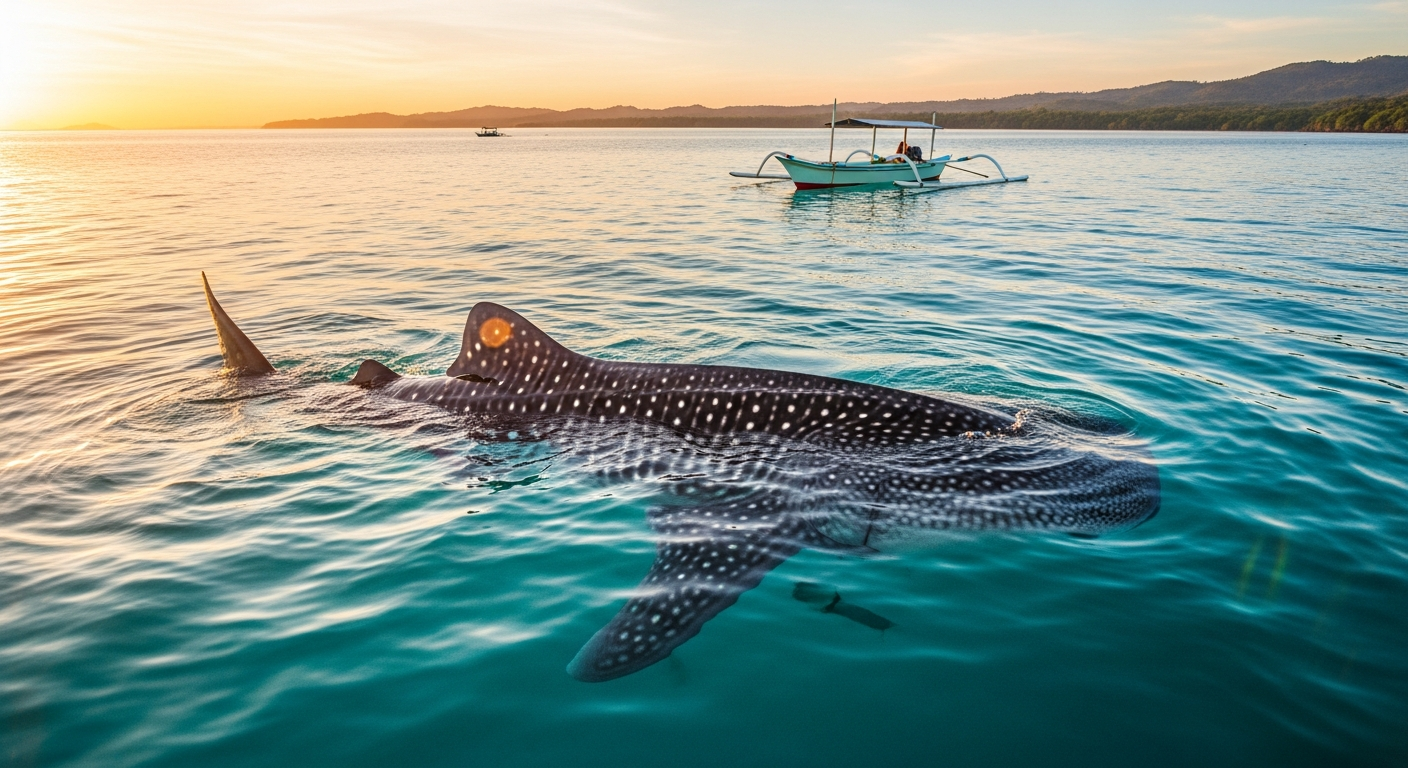
The coast around the town of Dompu is particularly renowned for whale shark sightings. Local guides with years of experience can often identify individual sharks, which return annually. The island’s remote location means that encounters are intimate, devoid of the large crowds seen in more popular destinations.
Responsible Tourism and Whale Shark Interactions
In Sumbawa, the approach to whale shark tourism is deeply rooted in responsibility and sustainability. Tour operators adhere to guidelines designed to minimize human impact on these animals. Interactions are regulated to ensure that boats maintain a safe distance, and snorkelers and divers are briefed on codes of conduct to prevent disturbances.
Local initiatives are in place to educate both visitors and operators on the importance of protecting marine ecosystems. These include workshops and community programs that promote awareness of ethical wildlife interactions. The emphasis on responsible tourism not only preserves the natural environment but also enhances the visitor experience by ensuring that future generations can enjoy these magnificent creatures.
Sumbawa’s commitment to sustainable tourism is echoed in its partnerships with international wildlife organizations that provide training and resources to local operators. Each tour contributes a percentage of its revenue to marine conservation projects, ensuring that tourism directly benefits the environment it relies upon.
Tour Options and Costs
Several tour operators in Sumbawa offer whale shark watching experiences that range from half-day trips to full-day excursions. Prices typically start at around USD 100 per person for a half-day tour, which includes snorkeling gear and refreshments. A full-day tour, inclusive of meals and additional snorkeling spots, might cost around USD 150 per person.
These tours often depart from the town of Bima, where the majority of tour operators are based. The region’s infrastructure has improved significantly, with expanded highways and upgraded ports facilitating smooth travel to and from tour departure points. This development makes Sumbawa more accessible to international tourists looking to explore its marine biodiversity.
During the high season, from December to February, tours can book up quickly, so it’s advisable to reserve spots in advance. Some operators offer tailor-made private tours for an exclusive experience, which can range from USD 300 to USD 500 depending on the group size and specific requests.
Investment Opportunities in Sumbawa’s Tourism Sector
Sumbawa is on the cusp of becoming a major hub for eco-tourism, with real estate developments aligning with sustainable tourism initiatives. Investors are increasingly interested in beachfront villas and eco-resorts that capitalize on the island’s natural beauty and growing tourist appeal. The local government offers attractive incentives for foreign investors, including tax holidays and reduced import duties. These incentives aim to boost economic growth while preserving the island’s ecological integrity.
Beyond tourism, Sumbawa’s strategic position in the Indonesian archipelago enhances its appeal for diverse investment opportunities. The island’s improved connectivity, due to enhanced telecommunications and transportation infrastructure, supports the logistics of tourism operations and real estate development projects. Sumbawa’s focus on sustainable development positions it as an attractive destination for environmentally-conscious investors.
Real estate prices in coastal regions like Sape and Hu’u have seen a rise, with prime beachfront land selling for approximately USD 50,000 per acre. This provides a lucrative opportunity for investors seeking high returns in a burgeoning market. Many new developments are integrating renewable energy solutions to align with the island’s sustainable energy goals.
Conservation Efforts and Community Involvement
Conservation is at the heart of whale shark tourism in Sumbawa. Local communities are actively involved in initiatives that ensure the protection of marine habitats. Programs funded by tourism revenue focus on marine conservation, supporting projects that protect coral reefs and other crucial ecosystems from degradation.
Community involvement is pivotal to these conservation efforts. Residents are employed as guides and educators, providing them with sustainable livelihoods while fostering a deeper connection to the marine environment. This model of community-based tourism ensures that the economic benefits are shared locally, further incentivizing conservation efforts.
Local schools collaborate with tour operators to run educational programs for children, fostering a culture of conservation from a young age. Volunteer opportunities are also available for tourists interested in contributing to community projects, strengthening international ties and cultural exchange.
Renewable Energy Initiatives in Sumbawa
Sumbawa is emerging as a leader in renewable energy projects, thanks to its advantageous geographical features that support solar and wind power generation. The island receives consistent solar irradiance throughout the year, making it an ideal location for solar farms. Moreover, the presence of strong wind currents along the coast offers additional energy generation possibilities.
The government has introduced subsidies and incentives to encourage investment in renewable energy, including grants for solar panel installations and tax rebates for wind turbine projects. Public-private partnerships are also being promoted to develop infrastructure that supports renewable energy projects, such as smart grids and energy storage systems.
Several villages on the island have already transitioned to solar power, reducing reliance on diesel generators and lowering carbon emissions. This shift not only benefits the environment but also significantly cuts energy costs for local communities, illustrating the economic and ecological benefits of renewable energy investments in Sumbawa.
Future Prospects of Whale Shark Tourism in Sumbawa
Looking ahead, Sumbawa’s whale shark tourism industry is poised for growth. The island’s commitment to sustainable practices and its untapped potential as a tourism destination create a promising future. With government-backed projects aimed at enhancing infrastructure and supporting public-private partnerships, Sumbawa is set to accommodate an increasing number of eco-conscious travelers seeking unique wildlife experiences.
As more visitors discover the island’s offerings, there is potential for expanded tour packages that integrate cultural experiences with wildlife interactions. Education and conservation will remain at the forefront, ensuring that Sumbawa’s natural and cultural heritage is preserved while offering visitors an enriching and respectful experience.
Future developments are expected to include eco-friendly accommodations and expanded marine conservation zones, enhancing the island’s appeal as a global eco-tourism hotspot. Continuous investment in conservation and infrastructure will be crucial to maintaining Sumbawa’s status as a leading destination for responsible marine tourism.
FAQs
Q? Is it safe to swim with whale sharks in Sumbawa? A: Yes, swimming with whale sharks in Sumbawa is considered safe. Tour operators prioritize visitor safety and adhere to strict guidelines to ensure safe and respectful interactions with these gentle giants.
Q? How can I ensure my whale shark tour is ethical? A: Choose operators that adhere to guidelines set by marine conservation authorities. Look for those who promote awareness and education and limit the number of tourists per tour to minimize impact on the animals.
Q? What is the best time of day for whale shark sightings in January? A: Early morning is typically the best time for sightings, as whale sharks are most active during feeding times. Tours often start at dawn to maximize the chances of encountering these creatures.
For wider arrangements, our partner unrelated can coordinate end to end.
Planning something bigger across Indonesia? For premium coordination visit komodoluxury.
Explore all investsumbawa.com options and plan your trip.