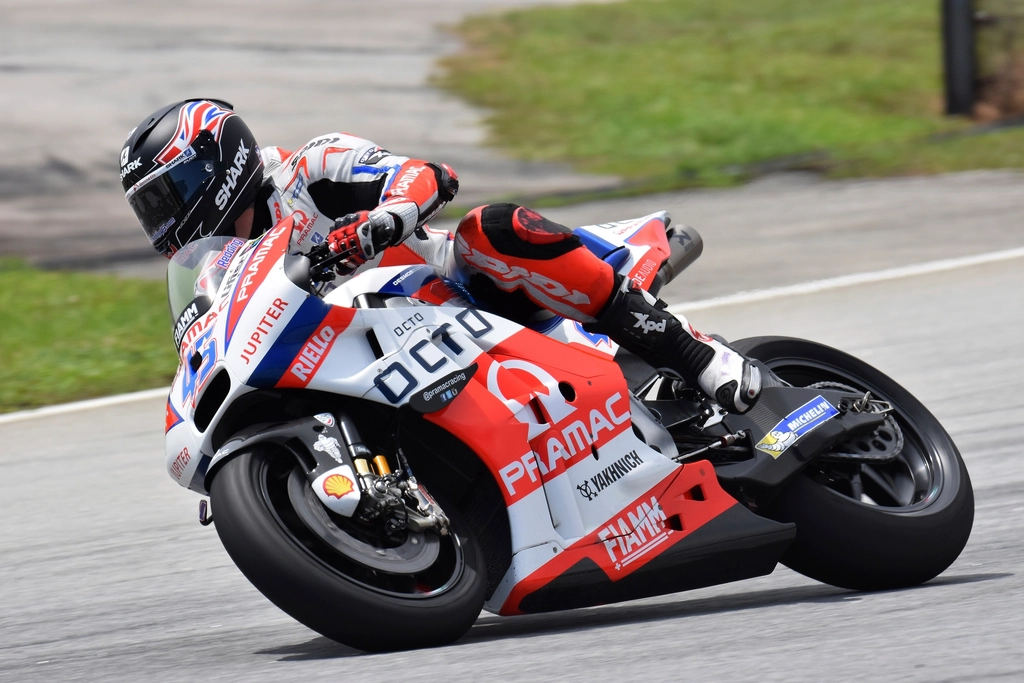
The Mandalika MotoGP circuit significantly influences Sumbawa investment by 2027 through enhanced infrastructure, increased tourism spillover, and heightened investor interest in West Nusa Tenggara development. This event acts as a catalyst, drawing attention and resources to the region, positioning Sumbawa for growth in hospitality, real estate, and supporting services.
The Catalytic Effect of Mandalika MotoGP on Sumbawa Investment by 2027
The establishment of the Mandalika MotoGP circuit on Lombok has created a profound ripple effect across West Nusa Tenggara, extending its influence specifically to Sumbawa’s investment landscape by 2027. While Lombok naturally reaps immediate benefits, the strategic development vision for the region ensures a significant lombok tourism spillover sumbawa. This spillover is not accidental; it is a direct consequence of Indonesia’s broader strategy to expand its tourism footprint beyond established hubs like Bali, positioning areas such as Sumbawa for accelerated growth.
Sumbawa, with its unique natural attractions and expanding infrastructure, is increasingly seen as a complementary destination to Lombok. The improved connectivity, including new airports and roads rapidly expanding in Sumbawa, is a clear indicator of this regional development focus. These infrastructure enhancements are crucial for facilitating the movement of tourists and investors, creating a more accessible and attractive environment for capital allocation.
Infrastructure Development: Paving the Way for Growth
The direct and indirect investments in infrastructure surrounding the Mandalika project have set a precedent for similar advancements across West Nusa Tenggara. For Sumbawa, this means continued improvements in transport links, utilities, and digital connectivity. Such foundational developments are essential for attracting and sustaining long-term investment, particularly in sectors like hospitality, eco-tourism, and supporting services that cater to an influx of visitors and residents.
Considering the regional context, Southeast Asia is projected to experience a substantial inter-generational wealth transfer, estimated at $5.8 trillion by 2030. A portion of this wealth is likely to seek investment opportunities in growing markets, with Indonesia, maintaining solid macroeconomic fundamentals and a robust consumer base, being a prime candidate. Sumbawa’s emerging status within this dynamic region makes it an increasingly appealing prospect for both domestic and international investors looking for long-term value.
Key Investment Sectors and 2027 Projections
By 2027, several sectors in Sumbawa are poised for significant investment, driven by the Mandalika effect and broader economic trends. These include:
- Hospitality and Accommodation: As lombok tourism spillover sumbawa increases, demand for hotels, resorts, and guesthouses will grow. Investors are exploring opportunities in various segments, from luxury eco-resorts to budget-friendly lodgings.
- Real Estate: Residential and commercial real estate development, particularly in areas near improved infrastructure and popular tourist sites, presents strong potential.
- Sustainable Tourism: Given Sumbawa’s natural beauty, investments in eco-tourism initiatives, such as sustainable resorts and adventure tourism, align with global trends in responsible travel. Climb Tambora, Sumbawa’s iconic volcano, for instance, offers a unique draw for adventure tourists.
- Agriculture and Fisheries: Modernisation and value-added processing in these traditional sectors can leverage increased demand from a growing tourism sector and local population.
- Logistics and Support Services: The expanding economy will require better logistics, supply chain management, and various support services to cater to both the tourism industry and local businesses.
Emerging markets globally are forecast to maintain a 3.3% growth pace in 2026, largely powered by domestic demand. Indonesia’s strong internal market positions Sumbawa to capitalise on this trend, especially as the government prioritises sectors like energy transition, housing, infrastructure, fintech, and SME financing for development finance institution (DFI) focus areas. Sustainable investing, particularly in water and agriculture, also carries a ‘green premium’ that attracts environmentally conscious capital.
Addressing Challenges and Seizing Opportunities for West Nusa Tenggara Development
While the prospects are promising, investors must remain aware of the nuances of the Sumbawan market. Understanding local regulations, cultural sensitivities, and the specific needs of the community are paramount for successful, sustainable investment. The focus on Sumbawa investment necessitates a thorough due diligence process.
The long-term vision for West Nusa Tenggara development includes fostering an environment that supports both large-scale projects and local entrepreneurship. This balanced approach is crucial for ensuring that the benefits of events like the MotoGP extend beyond immediate economic gains, fostering broader community development and resilience.
For those considering Sumbawa investment for expats and foreigners guide 2027 insights, understanding the evolving regulatory landscape and government incentives is essential. The government’s push for tourism beyond Bali clearly signals a supportive environment for foreign capital in targeted regions like Sumbawa.
2027 Note: By 2027, the long-term impact of Mandalika MotoGP on Sumbawa’s investment climate is expected to be clearly discernible through sustained growth in tourism arrivals, diversified investment portfolios, and robust infrastructure. The emphasis will shift from initial development to optimising returns and ensuring the sustainability of ventures established in the preceding years. The region’s attractiveness will be further solidified by continued government support for strategic economic sectors and an increasingly mature market for sustainable investments.
FAQ
How has the Mandalika MotoGP circuit influenced the investment landscape and future prospects for Sumbawa by 2027?
The Mandalika MotoGP circuit has significantly influenced Sumbawa’s investment landscape by 2027 by acting as a powerful magnet for regional development and investor attention. It has spurred substantial infrastructure improvements in West Nusa Tenggara, including new airports and roads that directly benefit Sumbawa, thereby enhancing connectivity and accessibility. This has generated a tangible lombok tourism spillover sumbawa, increasing demand for hospitality, real estate, and support services. The event has also elevated Sumbawa’s profile within Indonesia’s broader tourism strategy, attracting capital into key sectors such as sustainable tourism and modern agriculture, aligning with Indonesia’s robust macroeconomic outlook and DFI focus areas by 2027.
What specific sectors in Sumbawa are expected to see the most investment growth due to the Mandalika effect?
Key sectors in Sumbawa expected to experience significant investment growth due to the Mandalika effect include hospitality and accommodation (hotels, resorts, guesthouses), real estate (residential and commercial), sustainable tourism (eco-resorts, adventure tourism like climbing Tambora), and agricultural/fisheries modernisation. Logistics and support services will also see growth, driven by the increased economic activity and tourism volume flowing from Lombok to Sumbawa.
What are the primary challenges and opportunities for foreign investors in Sumbawa by 2027?
For foreign investors in Sumbawa by 2027, primary opportunities include leveraging the growing tourism spillover from Mandalika, participating in government-backed infrastructure projects, and investing in sustainable ventures that attract a ‘green premium.’ Challenges involve navigating local regulations, understanding cultural nuances, and ensuring investments contribute positively to community development. A thorough understanding of the evolving regulatory landscape for foreign investment in Indonesia will be crucial for success.