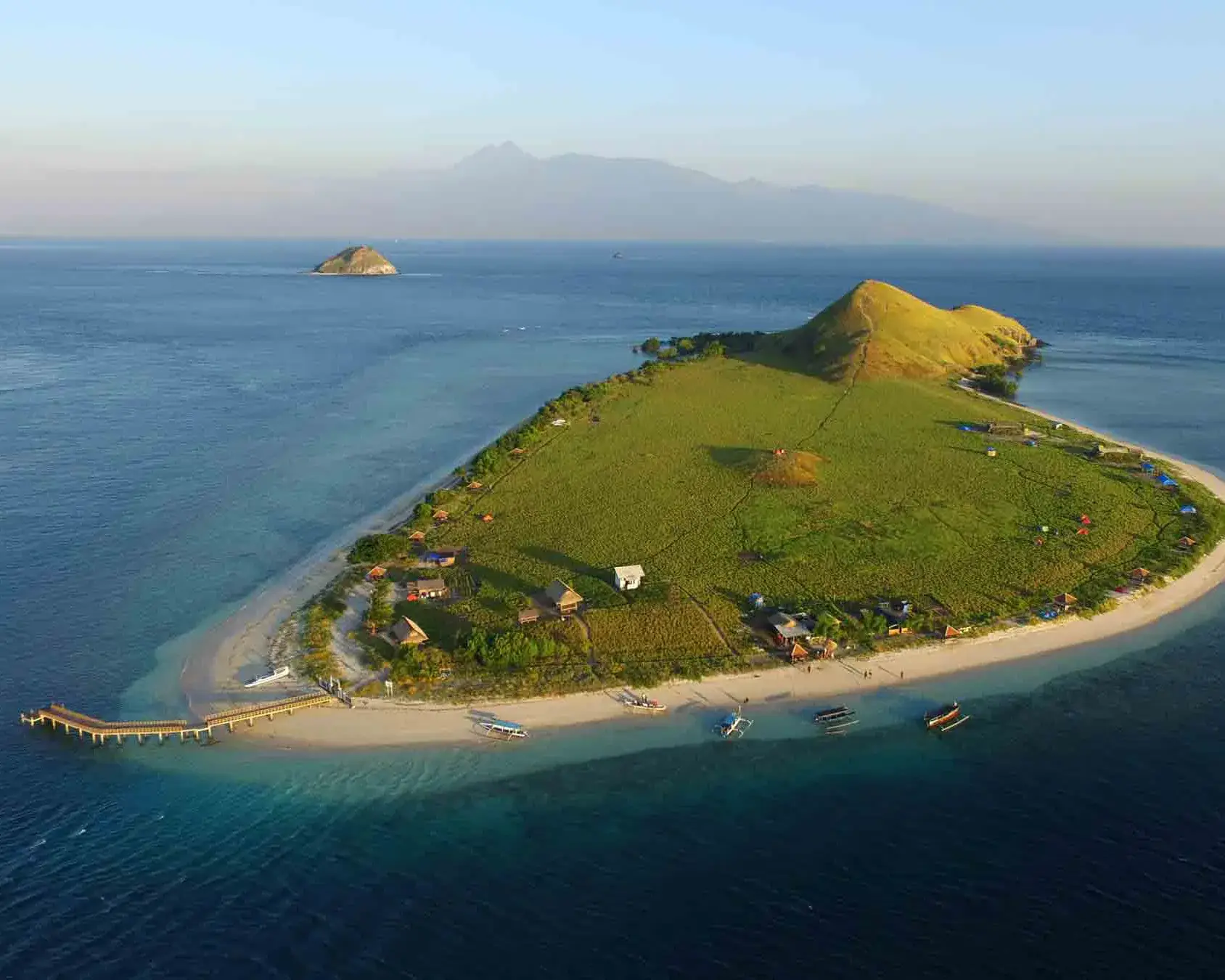
Hotels & resorts
The largest capital requirement and the most licensing. Viability follows access and airport capacity closely.

Sector
Accessibility is the variable that moves this market. Here is what is being built and what it opens up.
Talk to Our Team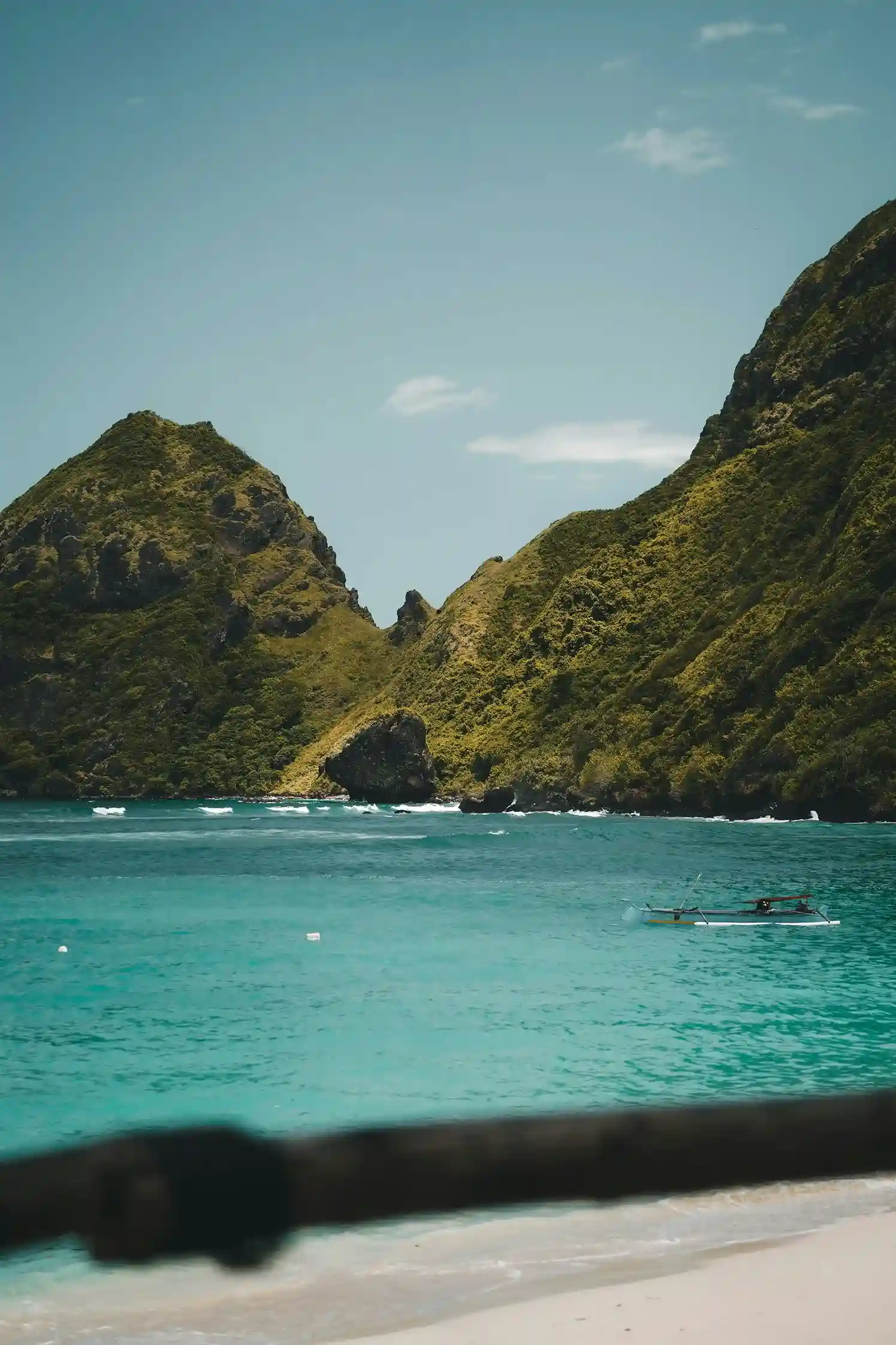
The Indonesian government is actively promoting destinations beyond established hubs like Bali. For Sumbawa that has meant concrete work on connectivity — new airport facilities and upgraded road networks — rather than promotion alone.
Visitor numbers are growing about 20% a year while tourism land is still priced well below the established islands — a combination that does not last once a destination is discovered.
Scale and licensing requirements differ sharply between these.
The largest capital requirement and the most licensing. Viability follows access and airport capacity closely.

Villas and guesthouses. Lower entry cost, but income is concentrated in the May–October window.
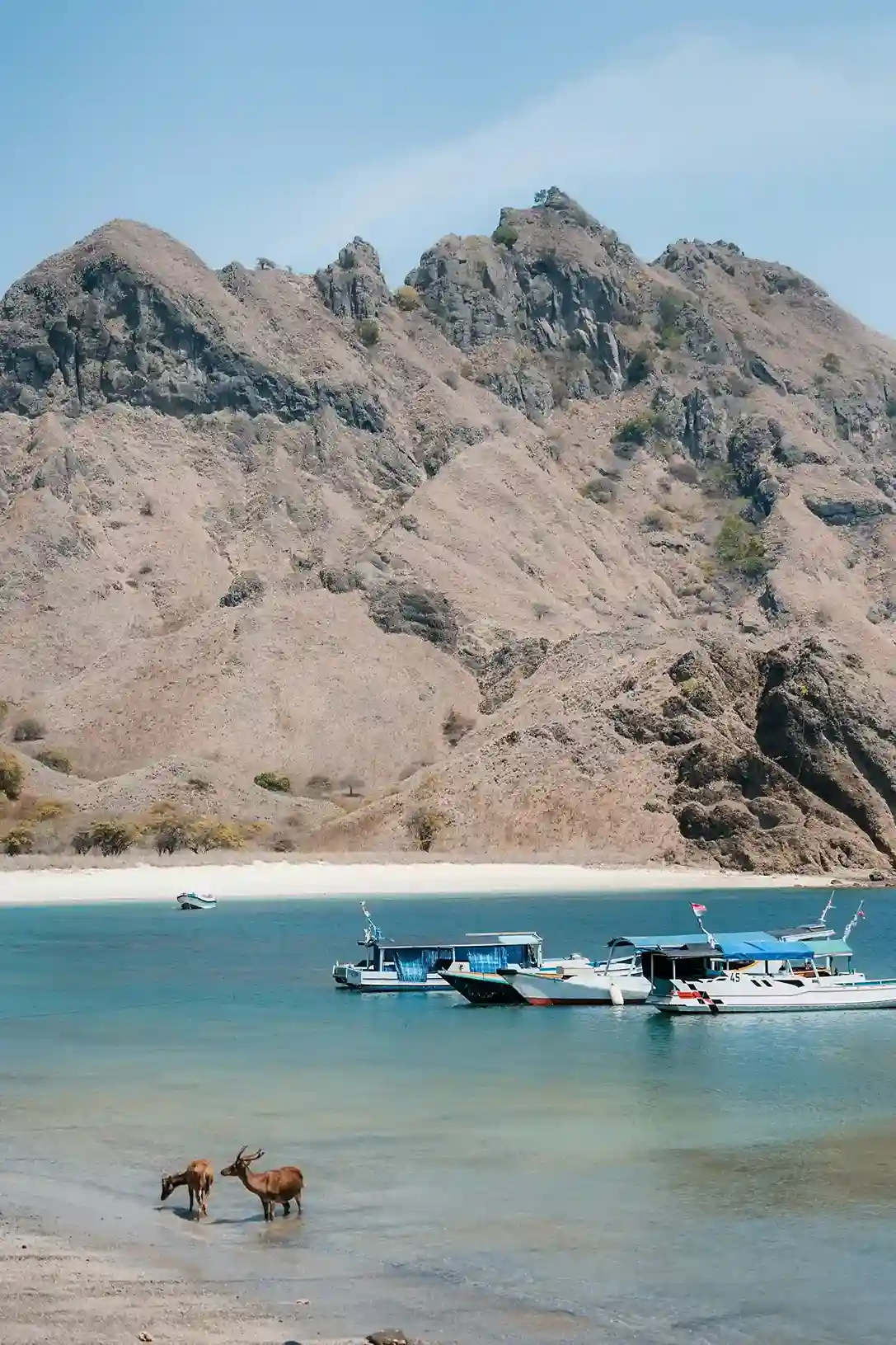
West Sumbawa's surf coast has the island's most established seasonal visitor draw.
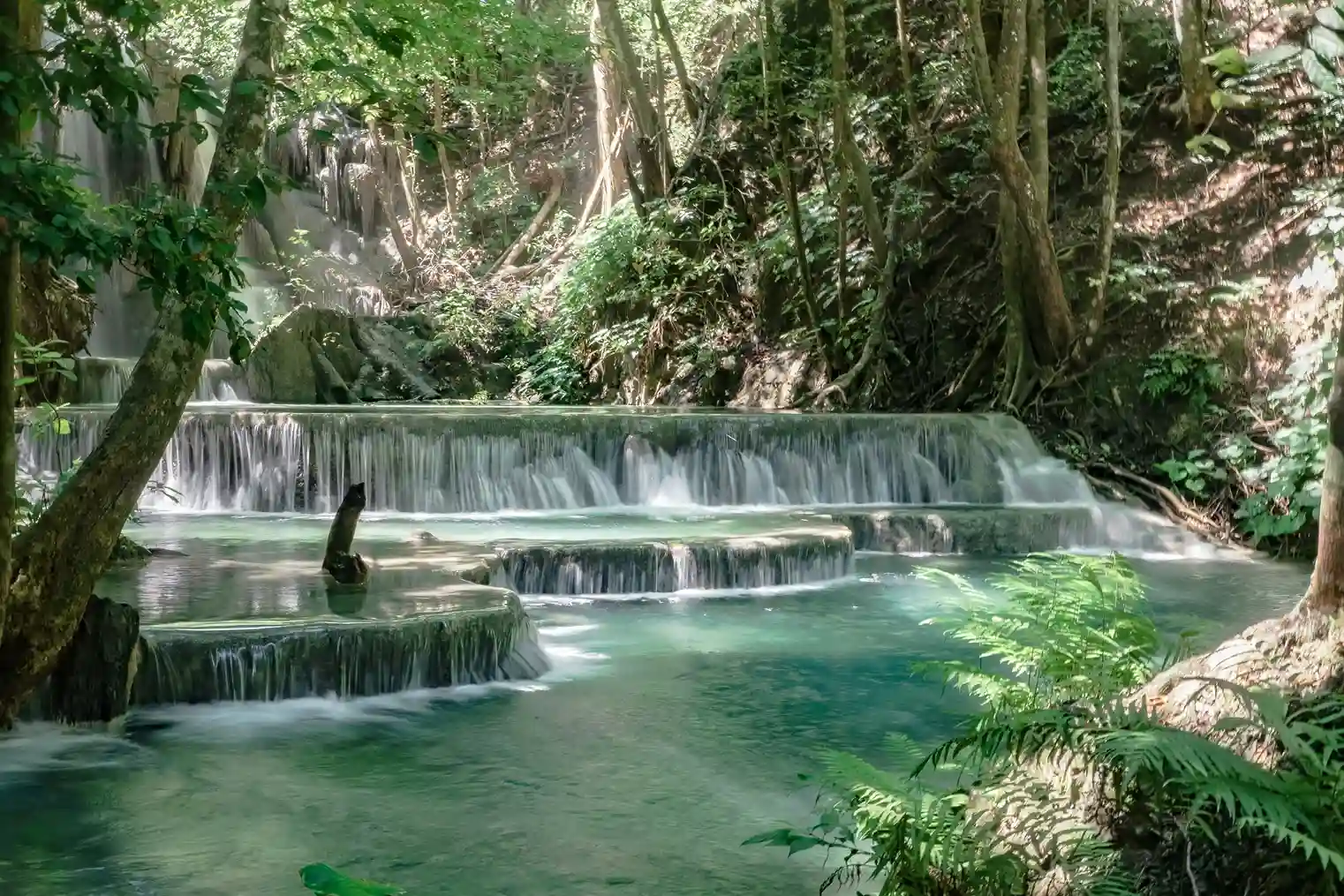
Transport, tours, food and beverage. Smaller capital, tied directly to visitor volume.
The largest capital requirement and the most licensing. Viability follows access and airport capacity closely.
Villas and guesthouses. Lower entry cost, but income is concentrated in the May–October window.
West Sumbawa's surf coast has the island's most established seasonal visitor draw.
Transport, tours, food and beverage. Smaller capital, tied directly to visitor volume.
Corridors where visitor demand and available land currently overlap.
Hybrid glamping and small hospitality, on the adventure-tourism side of the market.
Beachfront resort development, with eco-resorts already under construction.
Entry-level eco-resort sites close to key attractions and cultural heritage.
Small-scale retreats and conservation-based projects.
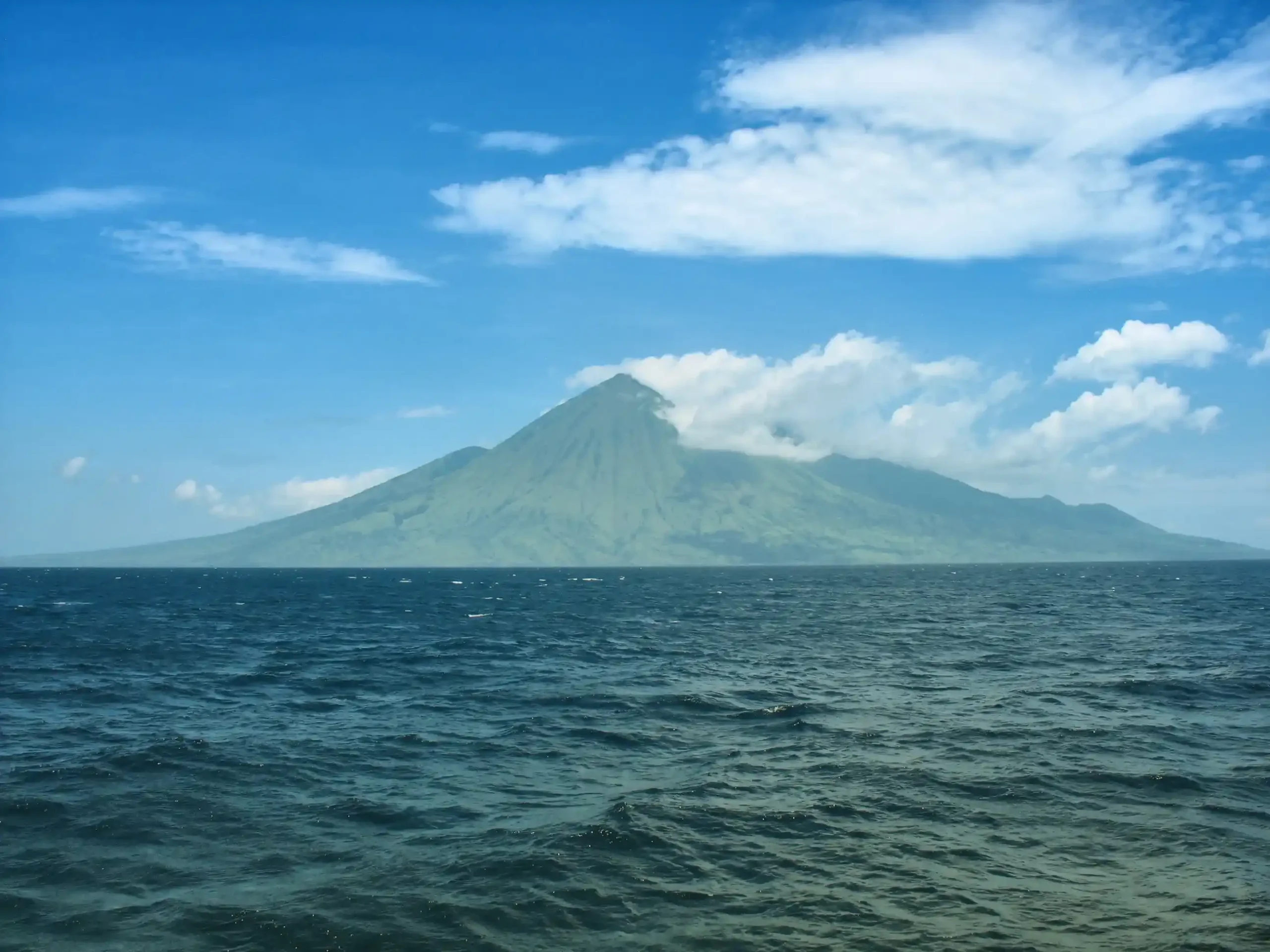
May to October is both the peak visitor window and the practical construction window. Anyone building and operating on the island is planning around the same months for two competing purposes.
Tourism projects carry licensing that property purchases do not.
Distance to sealed road and airport is the first filter for any hospitality project.
Right-to-build via an Indonesian entity or a PMA company, depending on scale and income model.
Business licence plus sector-specific permits. Requirements scale with the size of the operation.
Start construction in the dry season. Wet-season starts are the most common cause of overruns.
Visitor demand on Sumbawa is seasonal and concentrated. The dry season, roughly May to October, is both the peak visitor window and the practical construction window — which compresses operational planning for anyone building and operating on the island.
The surf coast in West Sumbawa has the most established draw. Elsewhere, demand is closely tied to access: a location an hour from a sealed road behaves very differently from one twenty minutes from an airport, and the road programme is still shifting those boundaries.
Mandalika on neighbouring Lombok hosts international motorsport events, which raises regional profile and traffic. How much of that flows through to Sumbawa specifically is not something we have data to quantify, and we would treat confident claims about it with caution.
The dry season, roughly May to October, when conditions are most favourable for visitors. This is also the practical construction window, which compresses planning.
A business licence and potentially sector-specific permits, scaling with the size of the operation. Requirements are determined locally, so confirm with the relevant authority or local counsel.
It raises the profile of the wider region and increases traffic to Lombok. We do not have data quantifying the flow-through to Sumbawa specifically, and would be sceptical of anyone presenting a precise figure.
Accommodation, transport, tours, and food and beverage — plus construction and property services supplying the development itself.
Tell us the location and scale, and we will walk through licensing, seasonality and access.
Prefer email? [email protected]
No obligation. We will tell you plainly if what you are after is not realistic here.