Planning a trip to Sumbawa in 2027? This guide explores the best time to visit, contrasting the dry and rainy seasons. Understand the island’s climate, explore cultural and investment opportunities, and discover the benefits of each season for a well-rounded visit to this Indonesian destination.
Understanding Sumbawa’s Climate
Sumbawa is part of Indonesia’s West Nusa Tenggara province, strategically situated between Bali and Lombok. The island experiences a tropical climate characterized by two distinct seasons: the dry season and the rainy season. The dry season spans from May to September, while the rainy season runs from October to April. Each season offers unique experiences and opportunities for visitors.
The dry season in Sumbawa is marked by warm temperatures, averaging around 30-32°C (86-90°F). With minimal rainfall, it’s an ideal time for outdoor activities and exploration. The rainy season, on the other hand, brings more precipitation, with temperatures slightly cooler, averaging 28-30°C (82-86°F). Understanding these seasonal variations is crucial for planning your activities and investments on the island.
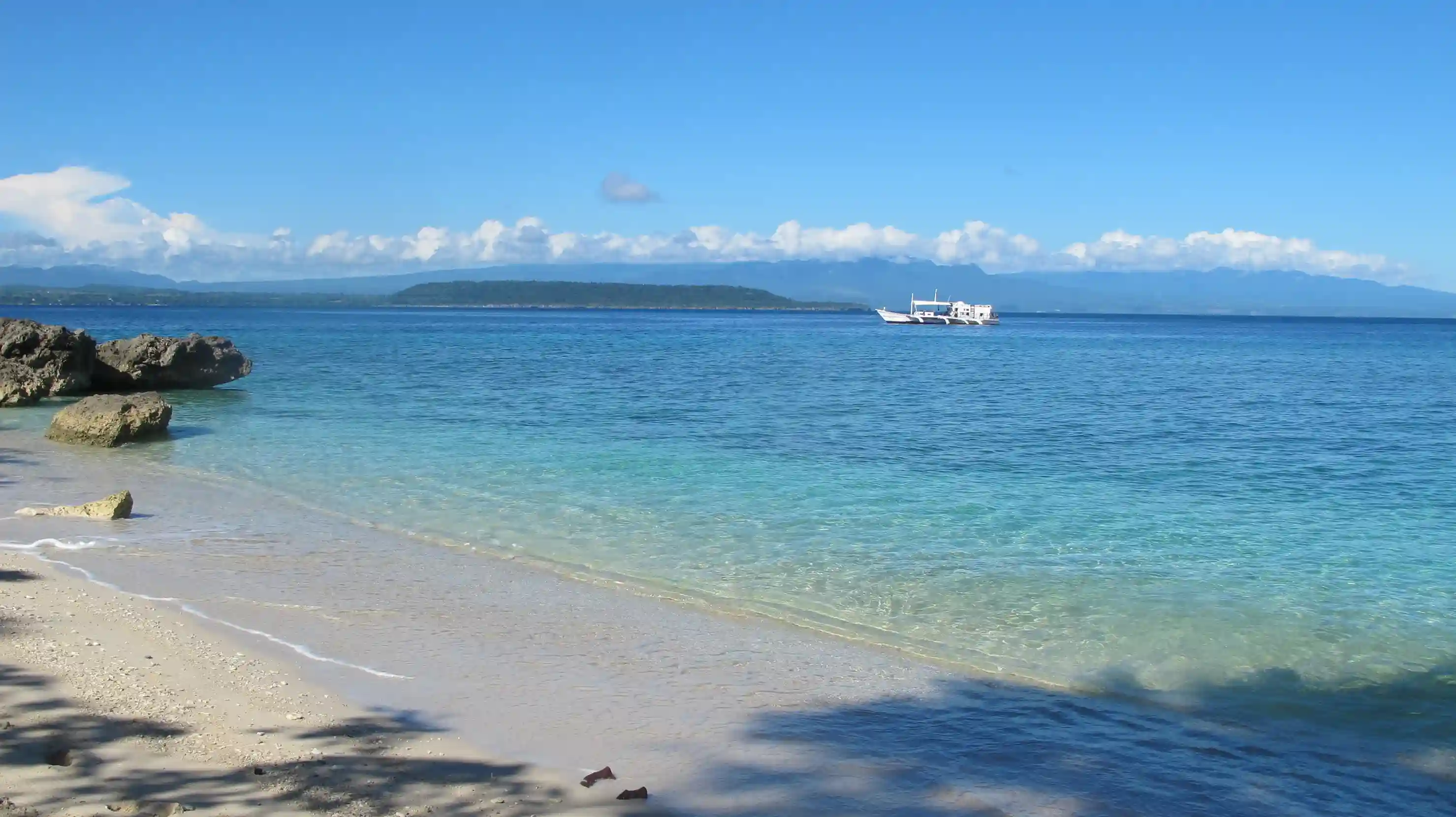
Additionally, the dry season is often accompanied by gentle sea breezes, making coastal areas especially pleasant for tourists. This period sees an influx of vacationers, primarily from neighboring regions like Bali and Lombok, who come to enjoy Sumbawa’s serene beaches and lively marine life. Meanwhile, the rainy season is characterized by lush, verdant landscapes, which can transform the island into a photographer’s region, where waterfalls are at their most spectacular.
Dry Season: Ideal for Outdoor Adventures
The dry season is perfect for those who enjoy outdoor activities such as trekking, surfing, and exploring natural attractions. Popular destinations like Moyo Island and Mount Tambora are more accessible due to favorable weather conditions. The lack of rain ensures easy hiking and trekking paths, allowing tourists to fully appreciate the island’s natural beauty and geological features.
During the dry season, the waters surrounding Sumbawa are calm, making it an excellent time for diving and snorkeling. Visitors can explore lively coral reefs and diverse marine life with clarity. Tour operators offer various packages ranging from $50 to $150 USD, depending on the duration and inclusivity of equipment and guides. Recreational fishing is also popular, with opportunities to catch exotic species in the island’s clear waters.
For those interested in surfing, the dry season offers consistent waves at renowned spots like Lakey Peak and Periscopes, attracting surfers from around the globe. Surf schools and camps provide lessons and rentals, with packages starting at approximately $25 USD per session. Adventure seekers can also take part in guided trekking tours to Mount Tambora, which stand at around $200 USD per person, offering remarkable views of the surrounding archipelago.
Rainy Season: A Time for Cultural Immersion
While the rainy season might deter some travelers, it offers a chance to engage more deeply with Sumbawa’s rich culture. This period is less crowded, allowing for more personal interactions with locals. Traditional events and festivals, such as the Nyale Festival, provide insight into the island’s customs and heritage. It’s a time to witness local life beyond the tourist trails.
The rainy season is also an opportune time for agricultural exploration. Sumbawa’s fertile lands support the cultivation of rice, corn, soybeans, and cashews, which are in high demand globally. Visitors interested in agritourism can engage with local farmers and learn about sustainable farming practices. Tours of these farms are often offered at reasonable rates, typically ranging from $30 to $75 USD.
Moreover, the cultural immersion extends to village homestays, where travelers can experience daily life in traditional Sumbawan communities. This includes participating in local cooking classes and attending cultural workshops where weaving and pottery can be learned. These activities provide a deeper understanding of the Sumbawan way of life and are offered at prices ranging from $20 to $50 USD, depending on the length and type of experience.
Investing in Sumbawa: Opportunities Across Seasons
Sumbawa presents investment opportunities, irrespective of the season. The dry season facilitates site visits to potential real estate investments such as beachfront villas, land plots, and eco-resorts. With high ROI potential, these properties are attractive to ex-pats and investors. Prices for land and properties vary, with beachfront plots starting from $50,000 USD, depending on location and size.
The rainy season, with its focus on agriculture, is ideal for those interested in farming and aquaculture investments. The island is a leader in shrimp farming, with export demands primarily from China and Japan. Investors can explore partnerships in sustainable aquaculture and organic farming, tapping into the island’s fertile soil and strategic location for global export.
In recent years, Sumbawa has seen a rise in eco-tourism initiatives, offering investment opportunities in eco-lodges and sustainable resorts, which cater to the growing market of environmentally-conscious travelers. Investment in these areas is often supported by government incentives, making it financially viable for entrepreneurs looking to enter the tourism sector. The cost of starting an eco-resort can range from $100,000 to $500,000 USD, depending on the scale and location.
Infrastructure and Connectivity: Year-Round Advantages
Sumbawa boasts improved infrastructure vital for both tourism and investment. The island features upgraded ports, expanded highways, and enhanced telecommunications networks, providing smooth logistics and connectivity throughout the year. These developments make Sumbawa an attractive destination for long-term investments and large-scale projects.
Investors can benefit from public-private partnership opportunities aimed at developing infrastructure and utilities. The government offers incentives including tax holidays, reduced import duties, and land ownership rights for foreign businesses. This supportive environment encourages investment in infrastructure projects such as ports, roads, and renewable energy systems, contributing to Sumbawa’s economic growth.
Additionally, Sumbawa’s strategic location between major economic hubs like Bali and Lombok makes it a key player in regional trade and commerce. The island is increasingly becoming a logistics center with improved cargo facilities and efficient customs processes. This development is advantageous for businesses looking to establish a foothold in Indonesia’s growing market, as it provides an excellent access point for exporting goods throughout the archipelago.
Renewable Energy: Harnessing Natural Resources
Sumbawa is increasingly recognized for its potential in renewable energy projects, thanks to its consistent solar irradiance and strong wind currents. The dry season provides optimal conditions for solar energy projects, while the windy conditions during the rainy season are ideal for wind energy. Government subsidies and policies encourage public-private collaborations in this sector.
Investors interested in renewable energy can engage in projects that harness Sumbawa’s natural resources, capitalizing on the island’s strategic position in the Indonesian archipelago. These projects not only promise significant returns but also contribute to sustainable development, aligning with global trends towards renewable energy adoption.
The island’s commitment to sustainability is evident in its ambitious plans to become a leading exporter of renewable energy in Southeast Asia. Initiatives such as the development of solar farms and wind turbines are already underway, with significant backing from both local and international investors. The costs of these projects vary widely, with average investments for solar farms starting at approximately $1 million USD, depending on scale and technology used.
Gastronomy and Local Delicacies
Sumbawa offers a unique culinary experience influenced by its diverse culture and rich natural resources. The island’s gastronomy is a blend of traditional Indonesian flavors with a local twist, featuring fresh seafood, tropical fruits, and organic produce. Dishes such as “Se’i Sapi” (smoked beef) and “Sate Tanjung” (grilled fish satay) are local specialties that offer visitors a taste of authentic Sumbawan cuisine.
The local markets, such as the Taliwang Market, are busy with activity and provide an opportunity for tourists to explore and sample fresh local produce, spices, and handmade goods. These markets are not only places for culinary discovery but also serve as cultural hubs where visitors can witness traditional trade practices and interact with local vendors. Prices for fresh produce and meals are generally affordable, with street food options ranging from $1 to $5 USD per portion.
For those looking for a more immersive culinary experience, cooking classes are available, where guests can learn to prepare traditional Sumbawan dishes using locally-sourced ingredients. These classes often include a visit to local farms or markets to select ingredients and are priced between $30 and $70 USD, depending on the length and depth of the experience.
FAQs
Q? When is the best month to visit Sumbawa? A: The best months to visit Sumbawa are June to August during the dry season. This period offers favorable weather for outdoor activities and exploration, with minimal rain and warm temperatures.
Q? What are the main attractions in Sumbawa during the dry season? A: During the dry season, visitors can explore Moyo Island, Mount Tambora, and the surrounding coral reefs. The weather is ideal for trekking, diving, and snorkeling.
Q? Can I invest in Sumbawa’s agriculture sector during the rainy season? A: Yes, the rainy season is suitable for agricultural investments. Sumbawa’s fertile soil supports crops like rice, soybeans, and cashews, offering opportunities in sustainable and organic farming.
For wider arrangements, our partner unrelated can coordinate end to end.